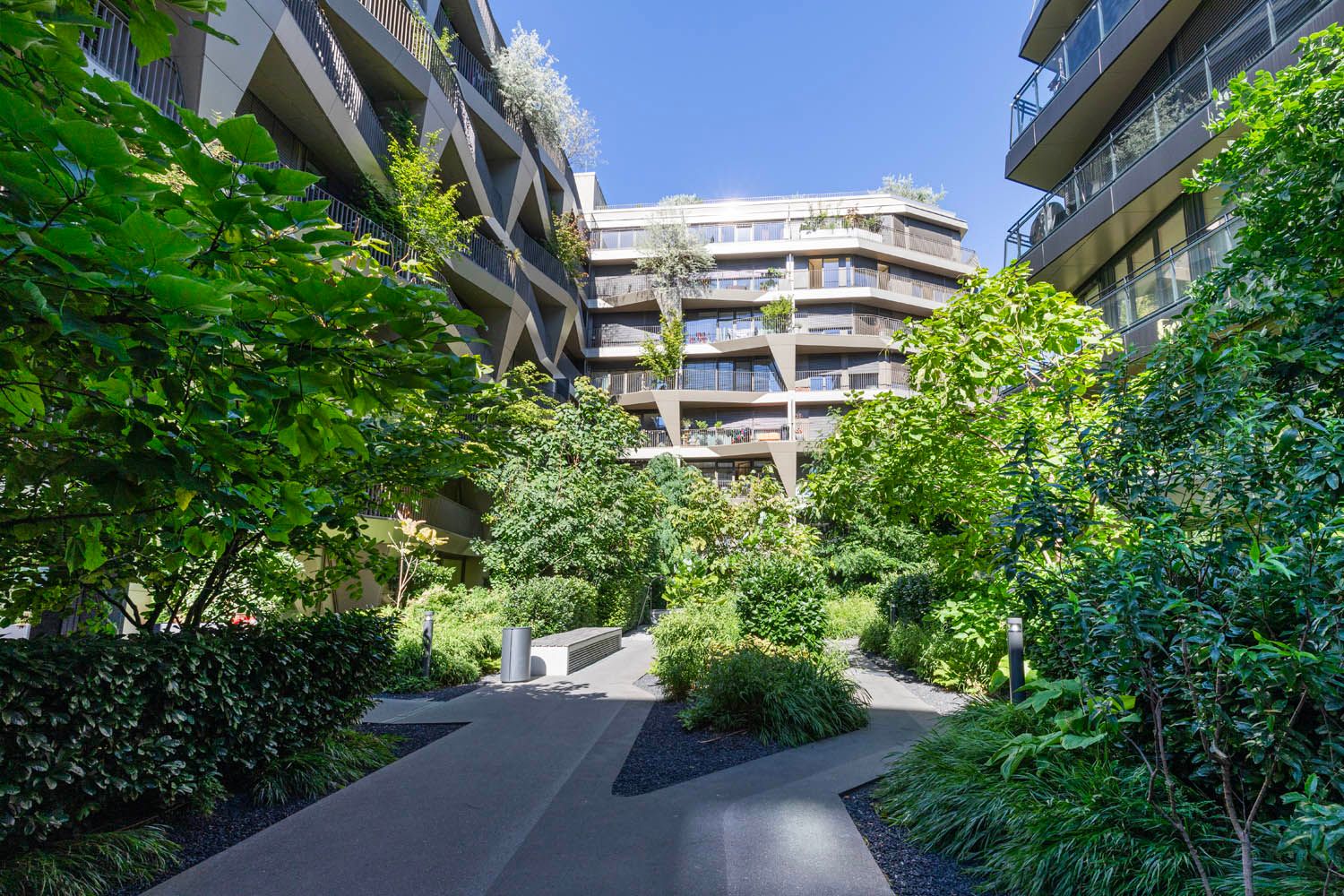
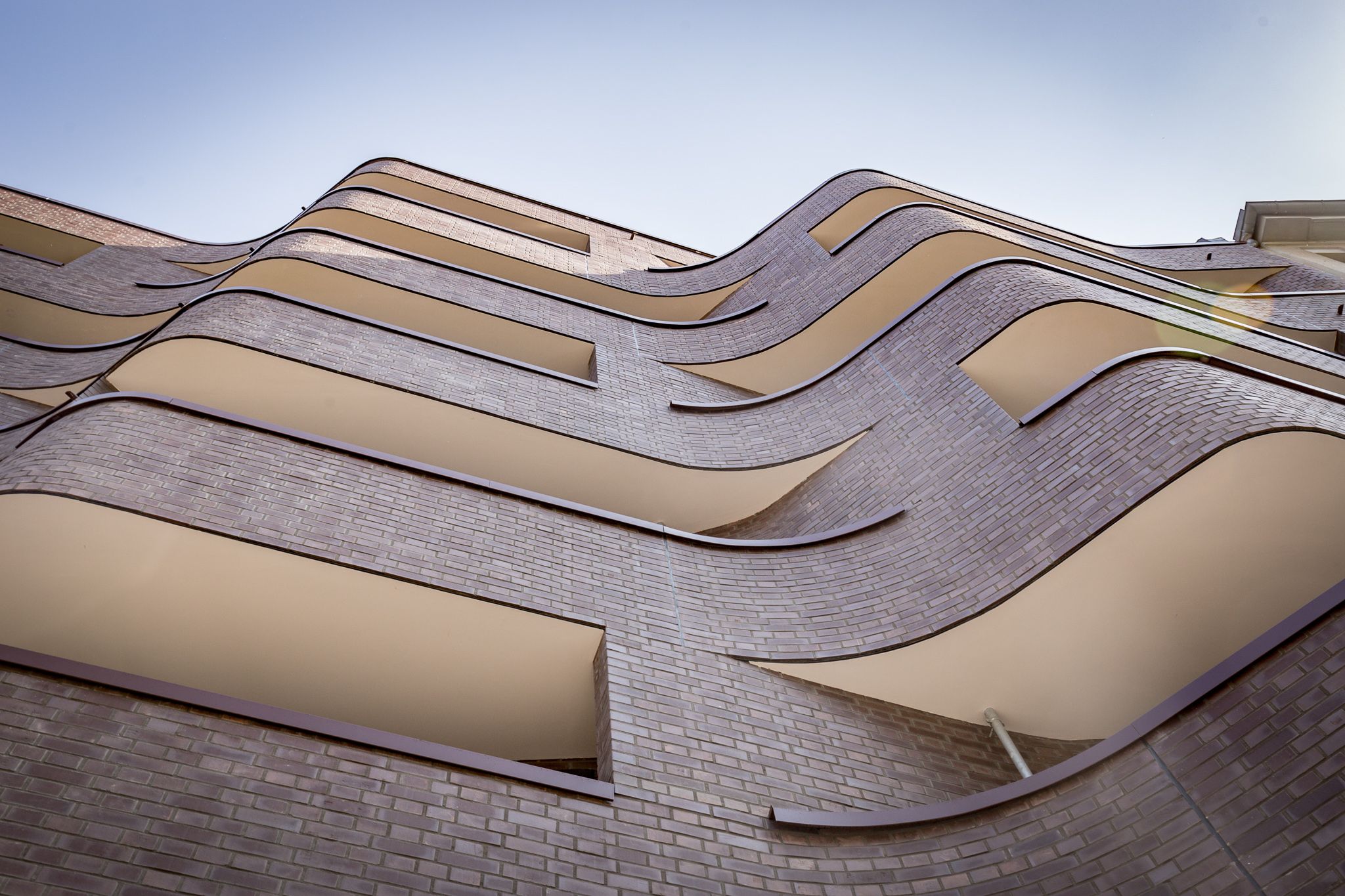
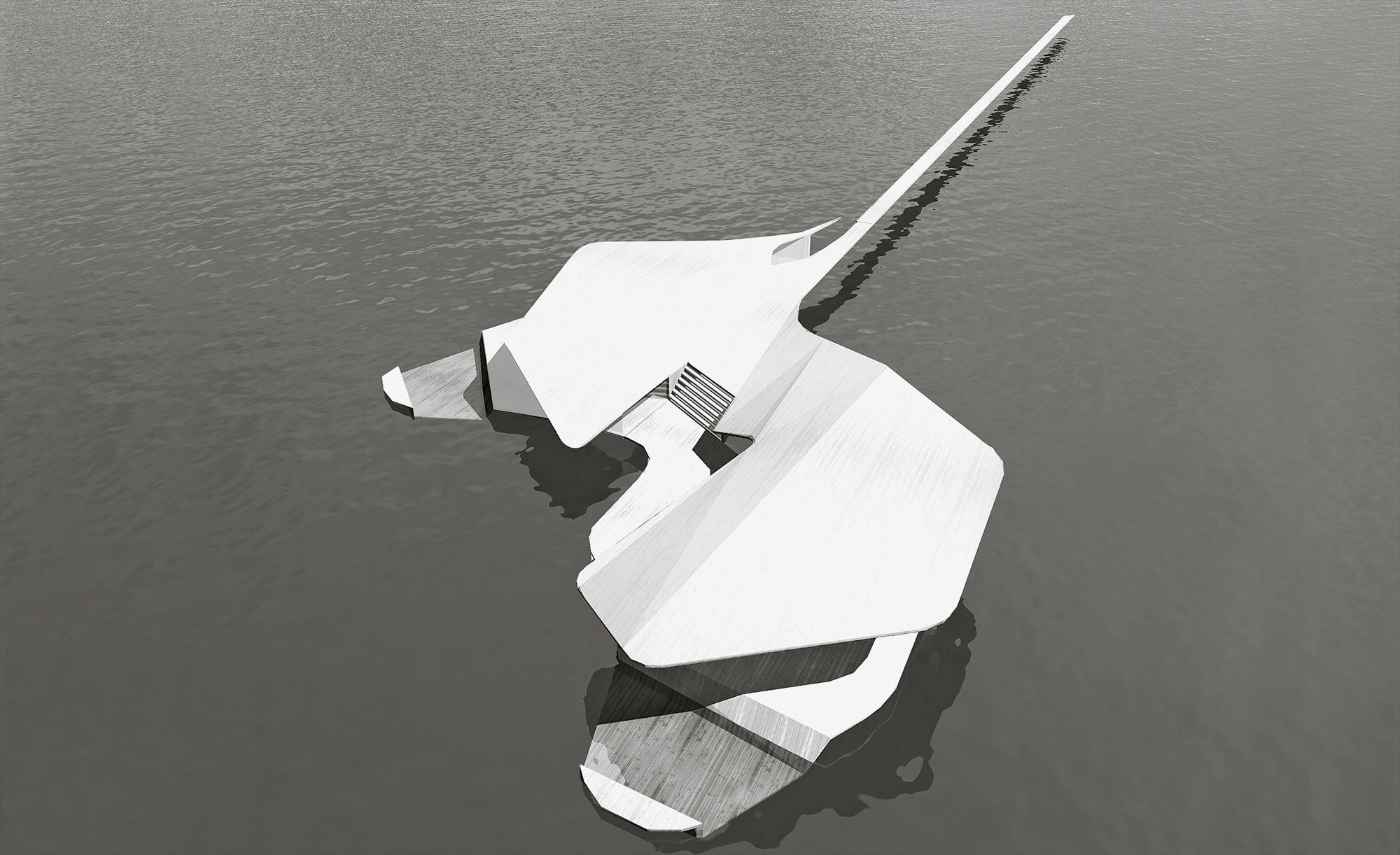
Four walls and a roof to live under – living space is the fundamental task of architecture. But how do we shape the future of this building task? What developments influence the structure of neighborhoods? What will the cities of the future feel like?
For the 80th anniversary edition of the Berliner Tagesspiegel, the GRAFT founders Lars Krückeberg, Wolfram Putz and Thomas Willemeit wrote an essay about the future of living. This future will only become a positive place when we understand that it stems from the present and our actions today. Therefore, when we think of the homes of the future, we are not merely asking an architectural question; we are reflecting on our attitude toward living together and our vision of a vibrant city.
This text was first published on the 28. September 2025 in the German Newspaper Tagesspiegel Berlin.
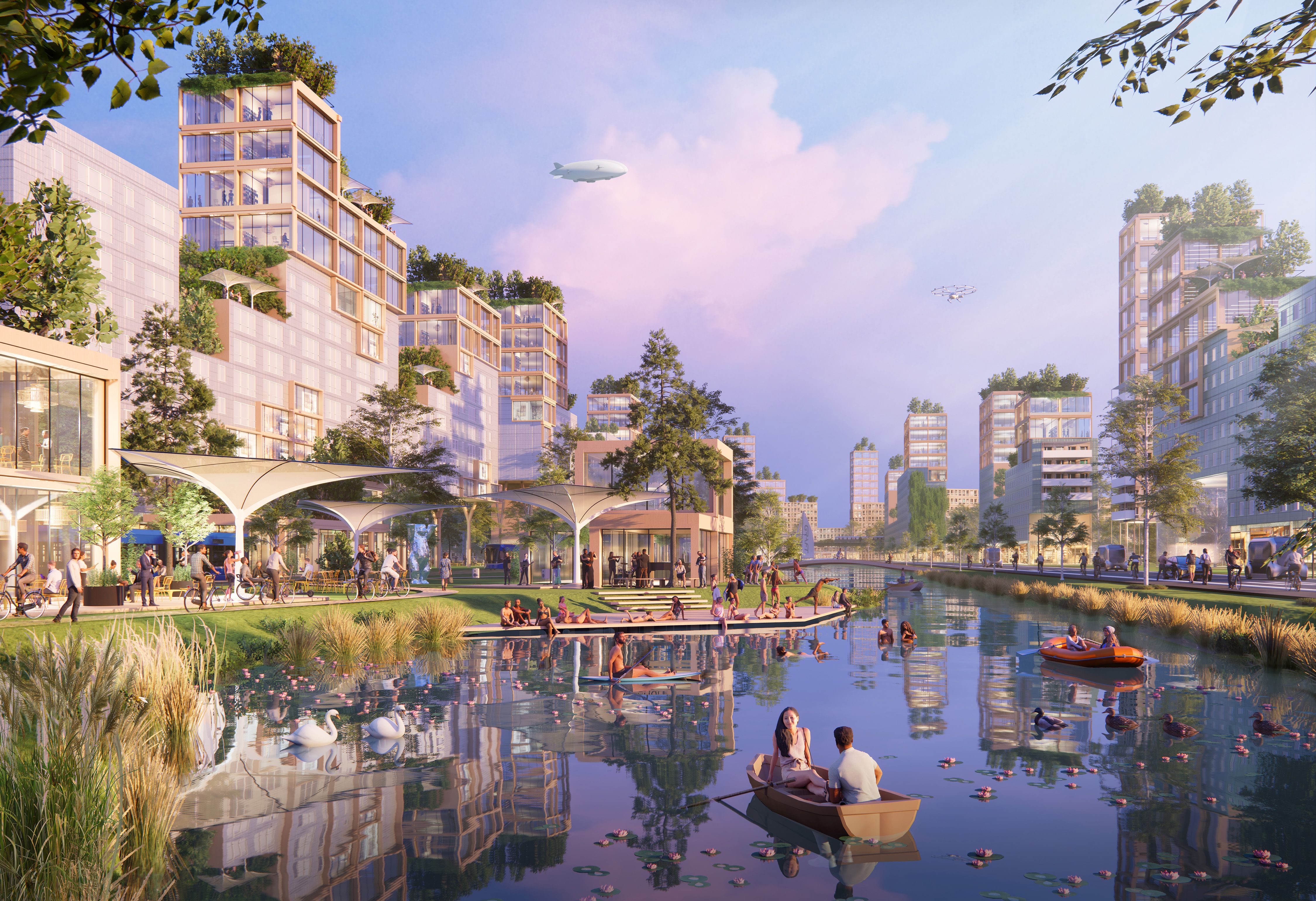
Community living
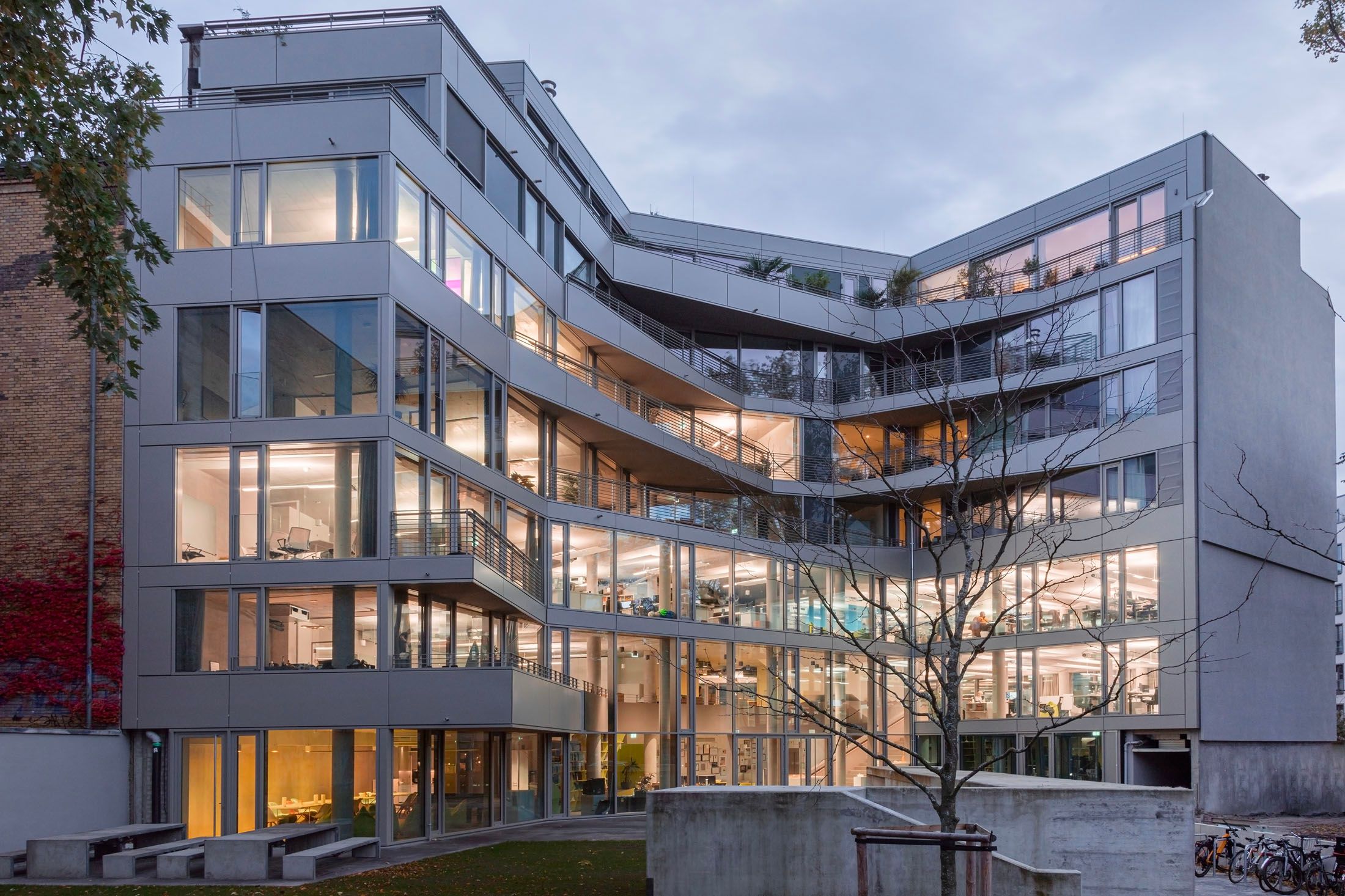
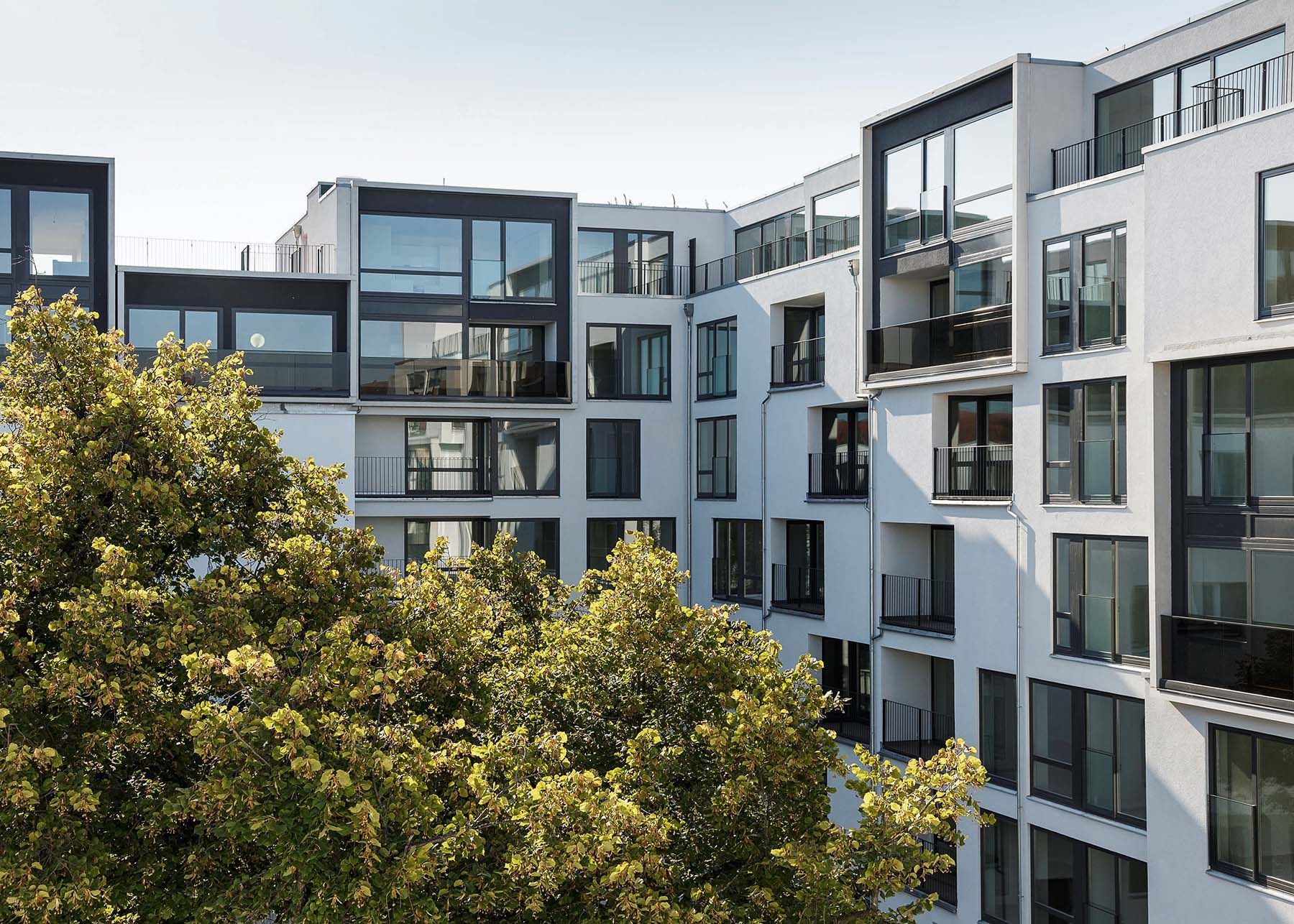
The social and demographic shifts of recent decades have fundamentally changed the idea of home as a private retreat in a traditional family model. Today, more people than ever live alone or as single parents. They often live in apartments that are too small and not set up for this lifestyle. We need housing models that expand the ideal of the idyllic home. Models that make individual apartments more compact while enhancing quality of life through shared spaces, neighborhood infrastructure, and architecturally intelligent transitions between privacy and public life.
Affordable living space can be created by making apartments smaller and using intelligent layouts and floor plans that people want to live in. Flexible building structures allow units to grow with their occupants as they move through different stages of life. Architects must use their experience and inventiveness to design well-functioning, flexible floor plans and create high-quality work.

URBAN CELL as a modular and sustainable neighborhood
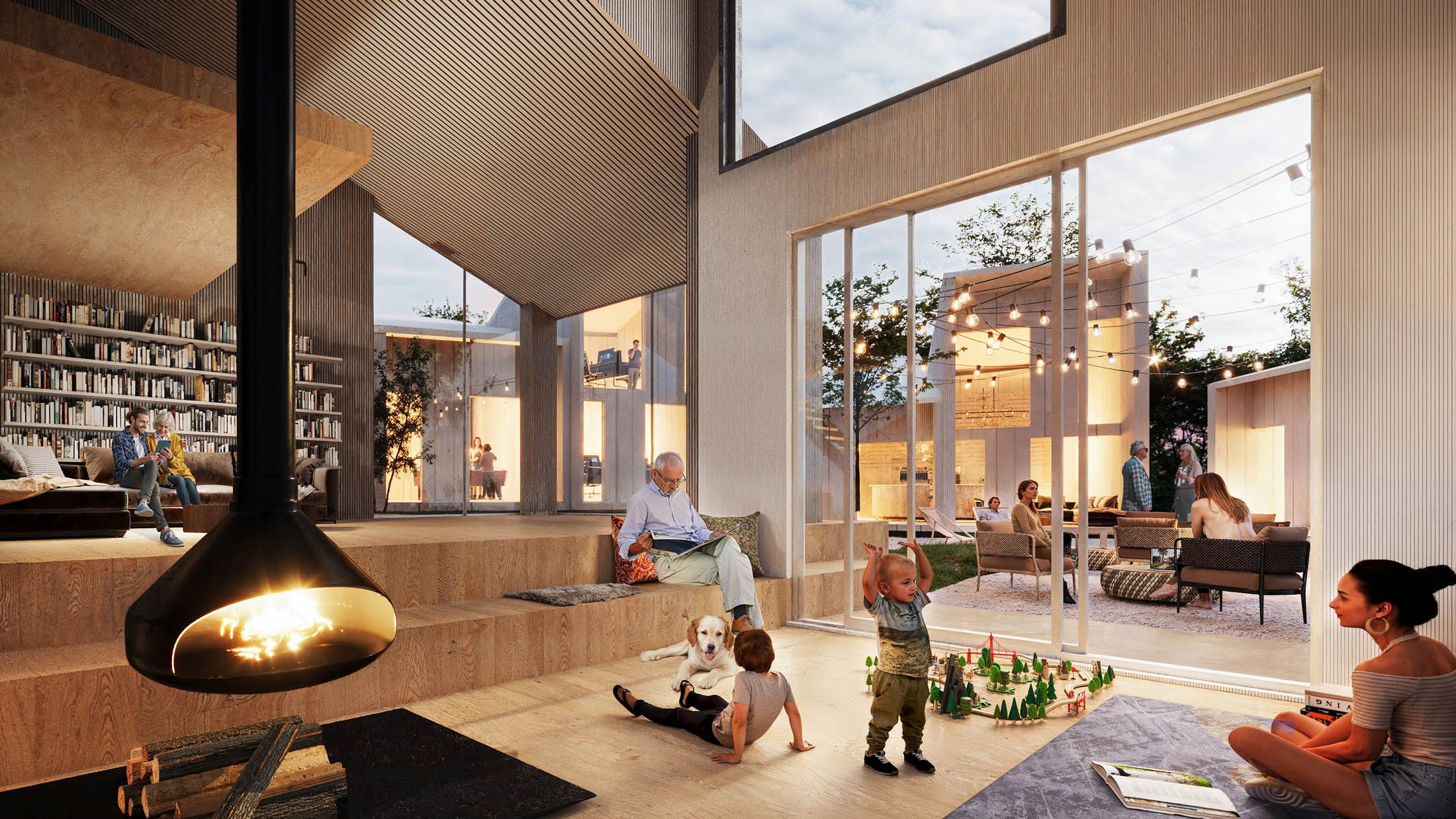
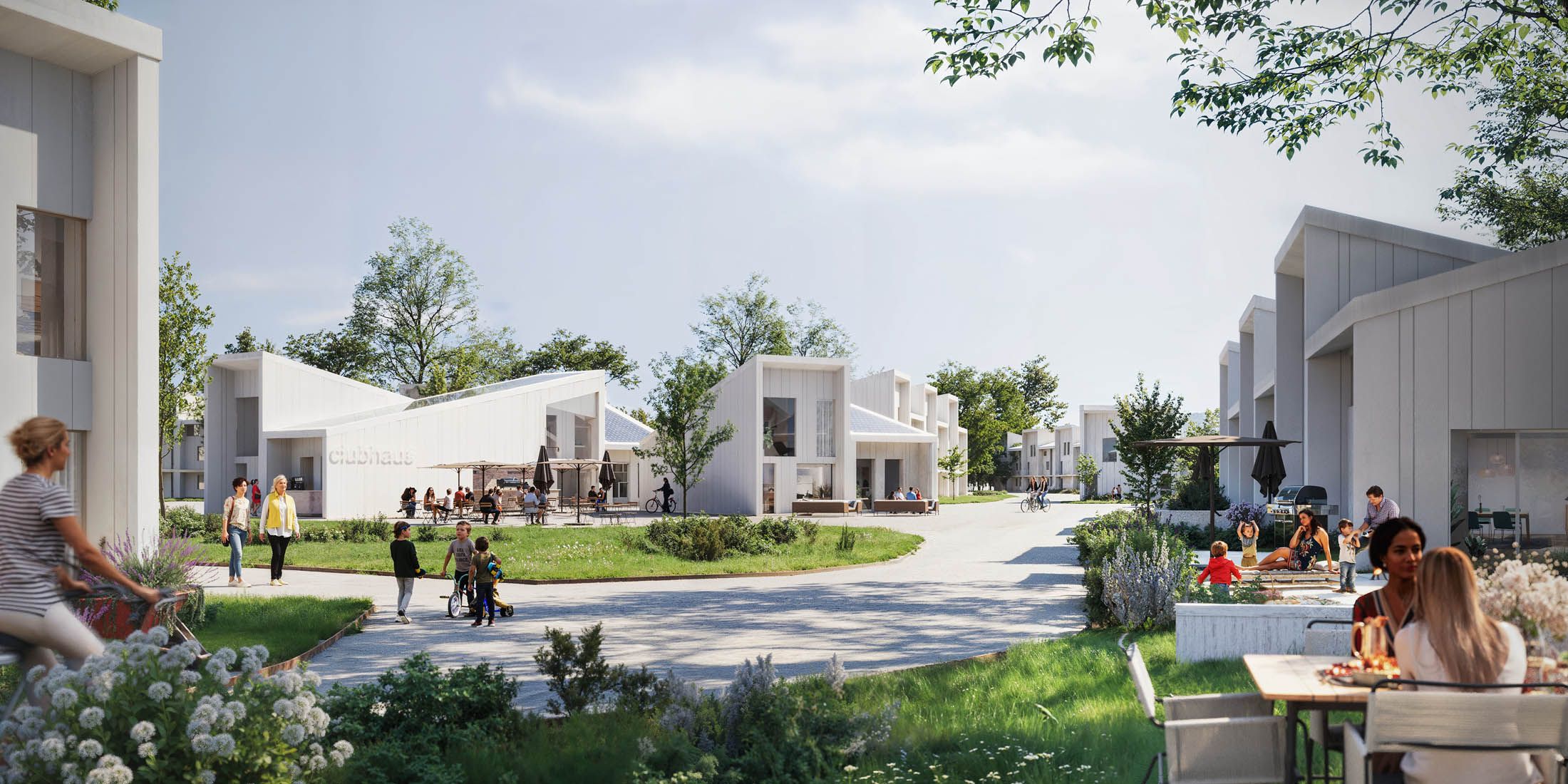
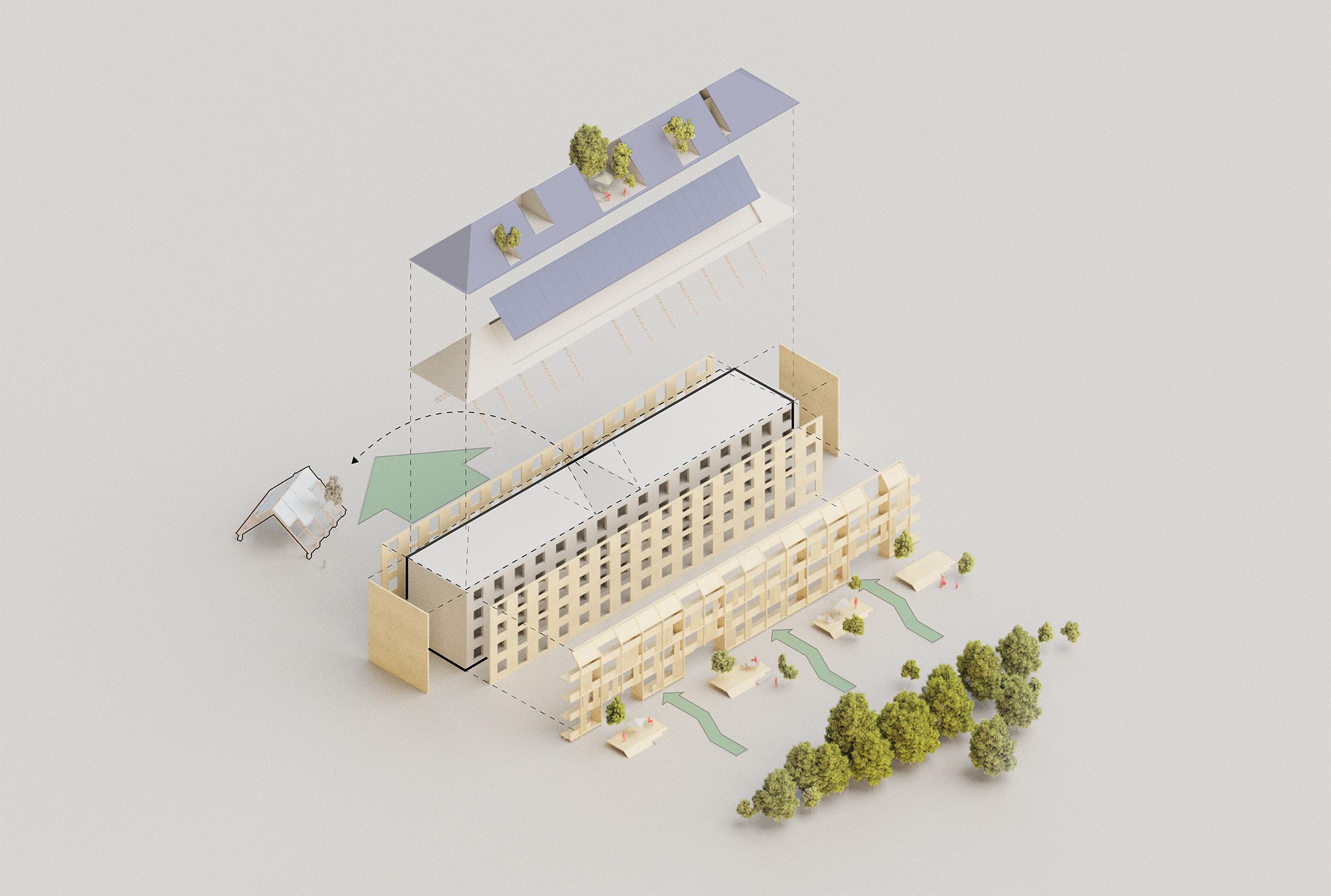
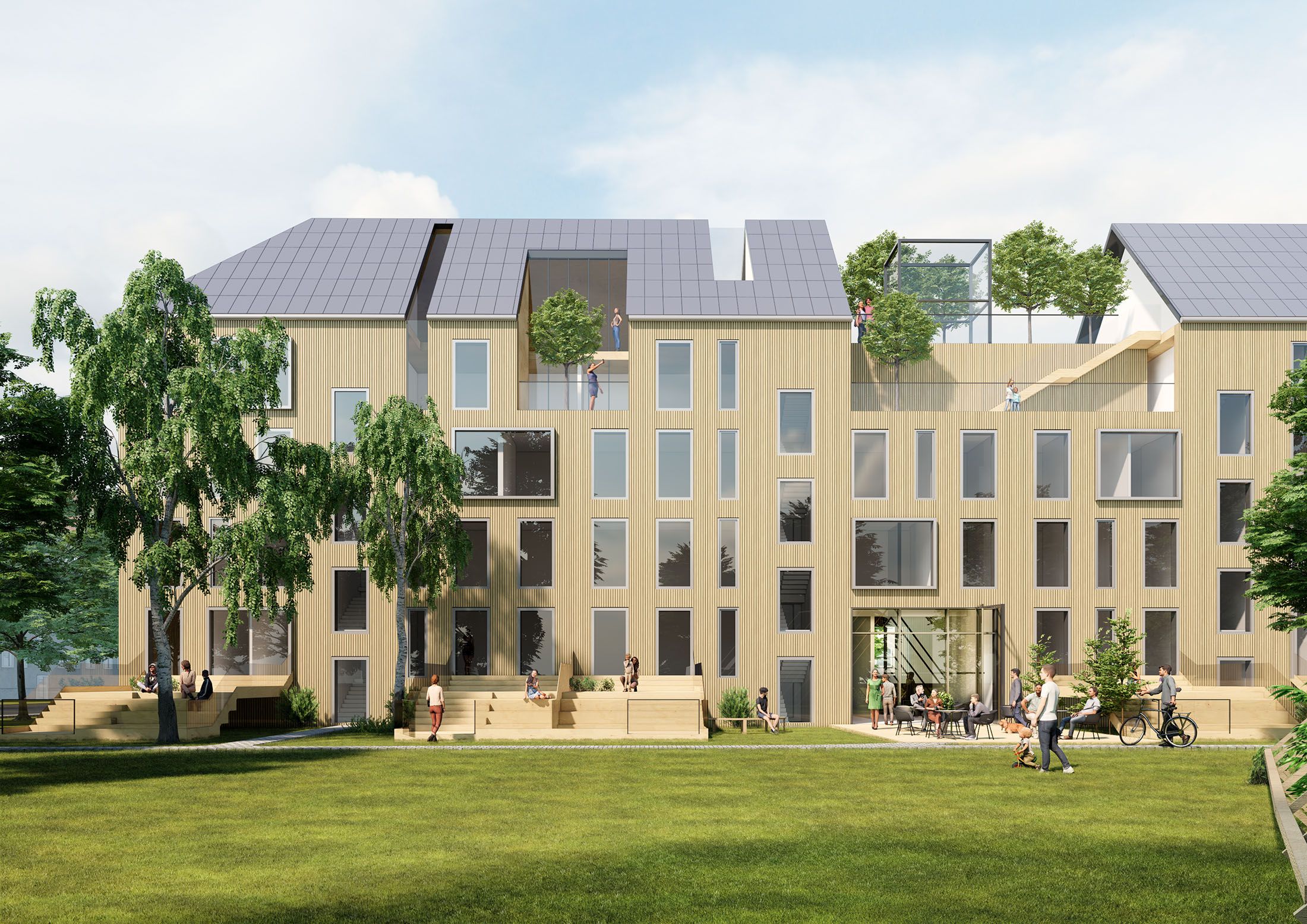
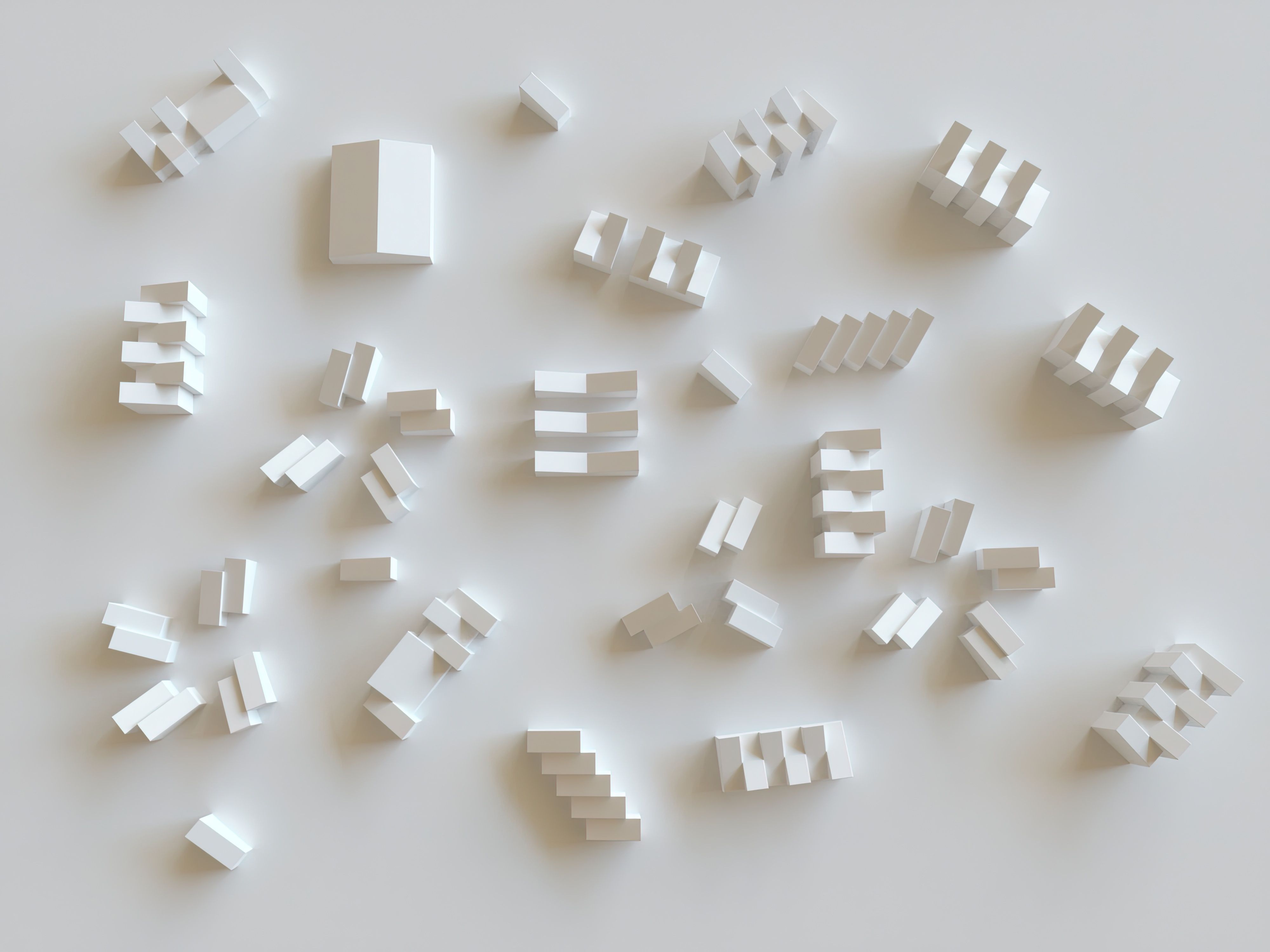
This concept is not limited to inner-city apartment blocks. These principles can also be applied to single-family homes. Together with entrepreneur Jana Mrowetz, GRAFT developed "Urban Cell," a concept for modular residential neighborhoods that makes owning a home affordable again. "Urban Cell" offers innovative structural, energy-efficient, and social solutions. Urban Cell is designed for European metropolitan areas. It combines private residential units of various sizes with a communal clubhouse, co-working spaces, guest rooms that can be used for different purposes, and various recreational and leisure facilities. This flexibility allows your living space to adapt to changes in your life.
This creates new living space while being integrated into a social network, not just a waste of green space. The decision to make do with less space is not based solely on economic factors. Instead, it's about envisioning the quality we can create beyond our own boundaries and how future neighborhoods will shape identities where apartments and their residents are intertwined. They offer their residents a variety of opportunities for participation and engagement.
The future lies in what already exists
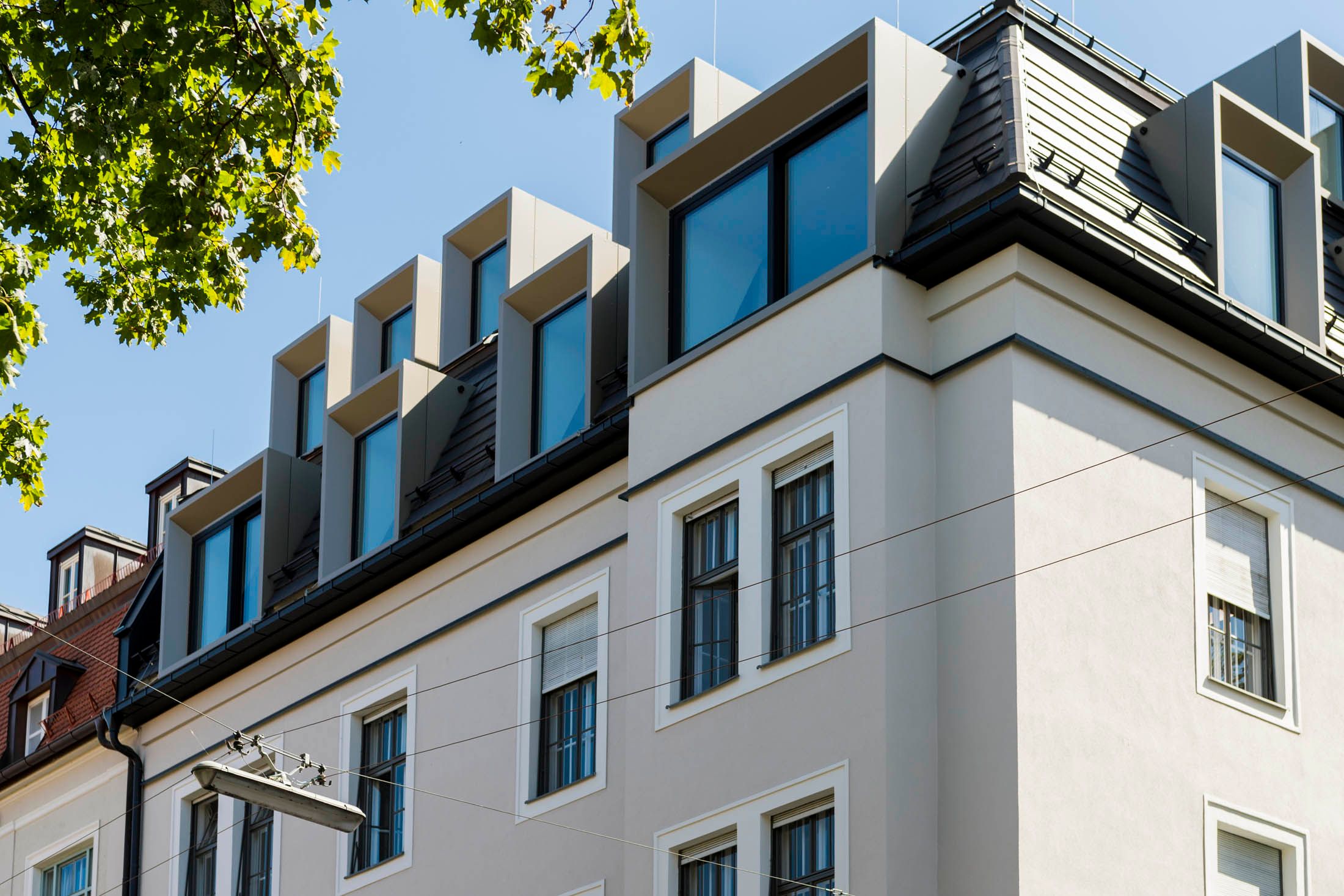
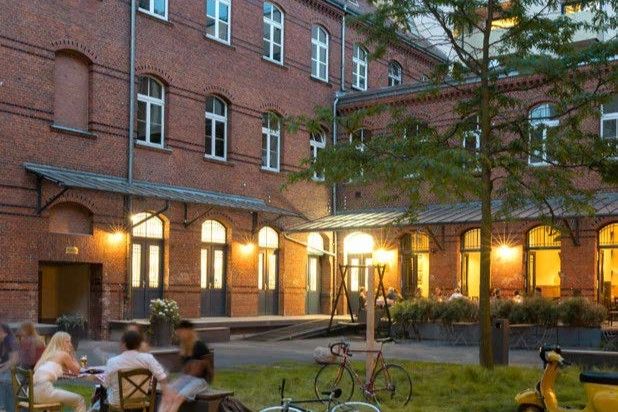
Such concepts for new buildings complement the tasks for existing residential structures. After all, most of the living of the future will take place in the houses that already exist today. Maintaining and preserving this existing stock and making it climate-neutral or, better still, climate-positive is becoming increasingly important.
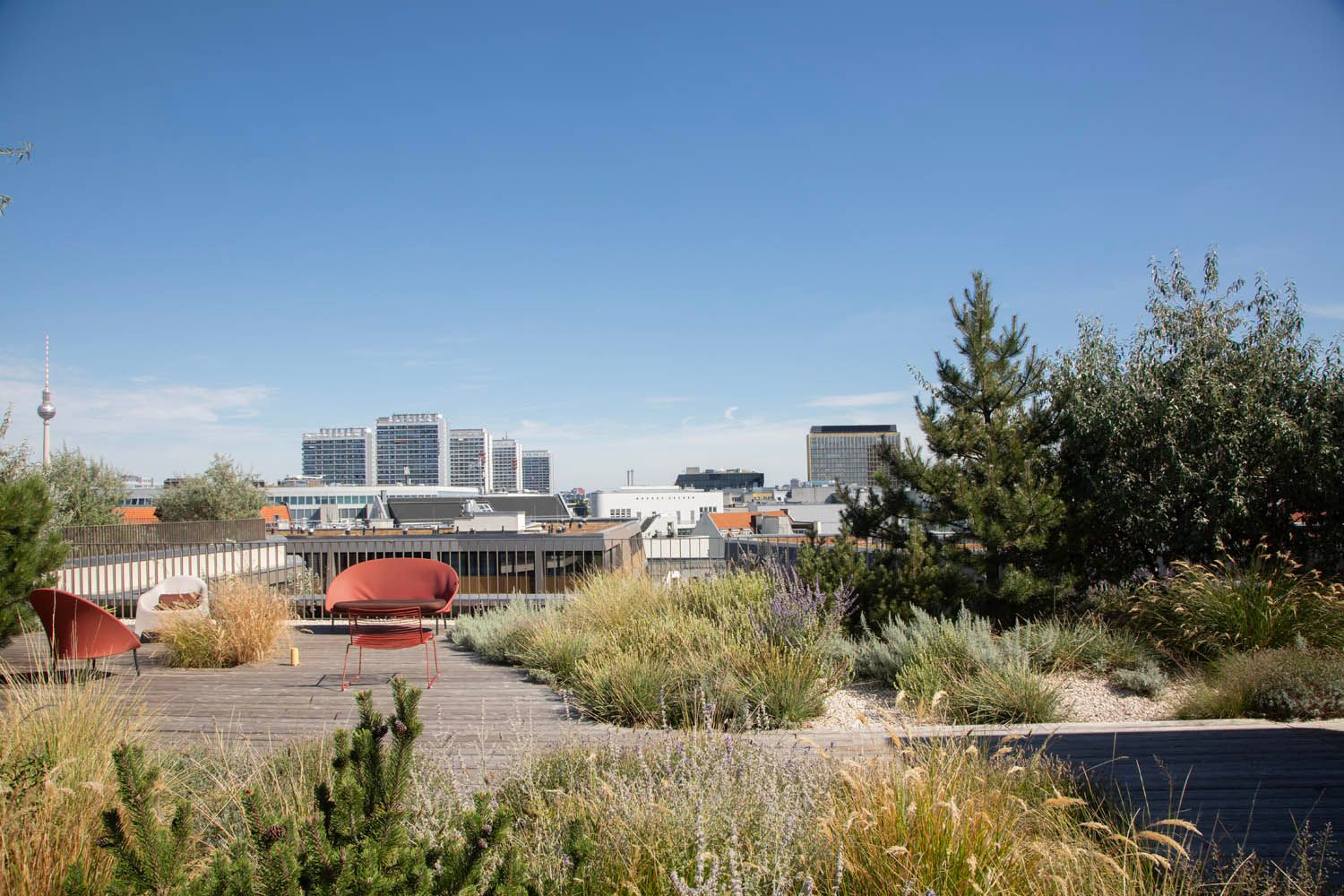
The means by which people's physical and mental health, as well as the habitats of animals and plants, can be protected have long been known: breaking up sealed surfaces, creating (or maintaining) fresh air corridors, integrating animal-friendly planting and trees, using recyclable materials, considering shading, collecting, storing, and reusing rainwater, keeping space free for movement and interaction... There are numerous ideas and suggestions on both a large and small scale, and their success is well documented. What is stopping us from implementing them and making our city healthier and better?
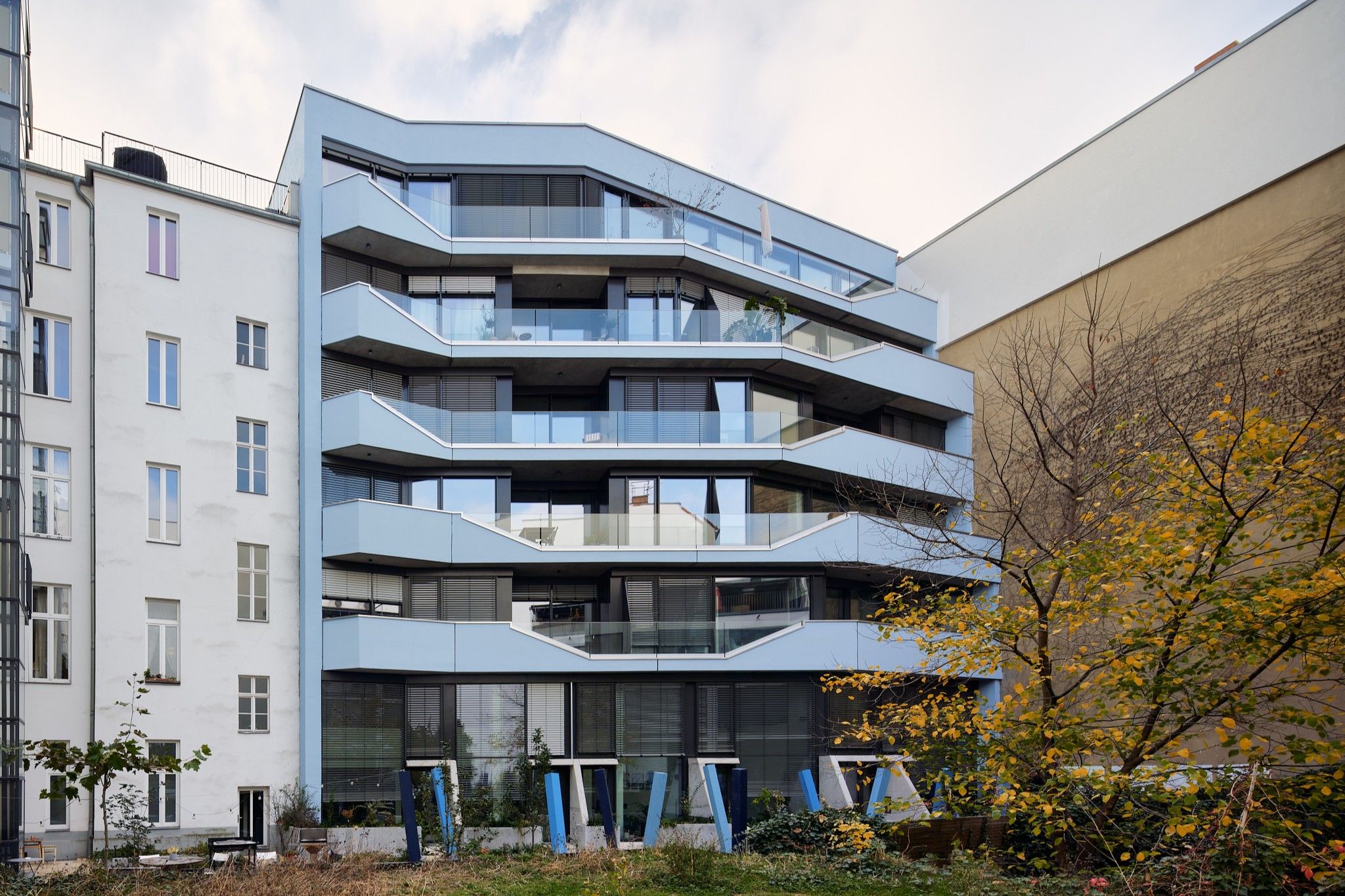
The fact that this necessary commitment is lacking in many places can also be explained by the low rate of home ownership in Germany. Due to historical reasons, the urgent reconstruction efforts of the post-war period, and the planned economy of East Germany, it is among the lowest in Europe. But ownership strengthens responsibility, generates commitment, and promotes stability. When we talk about the future of housing, we must promote new forms of ownership that enable more people to participate. Cooperatives or building groups are examples of this.
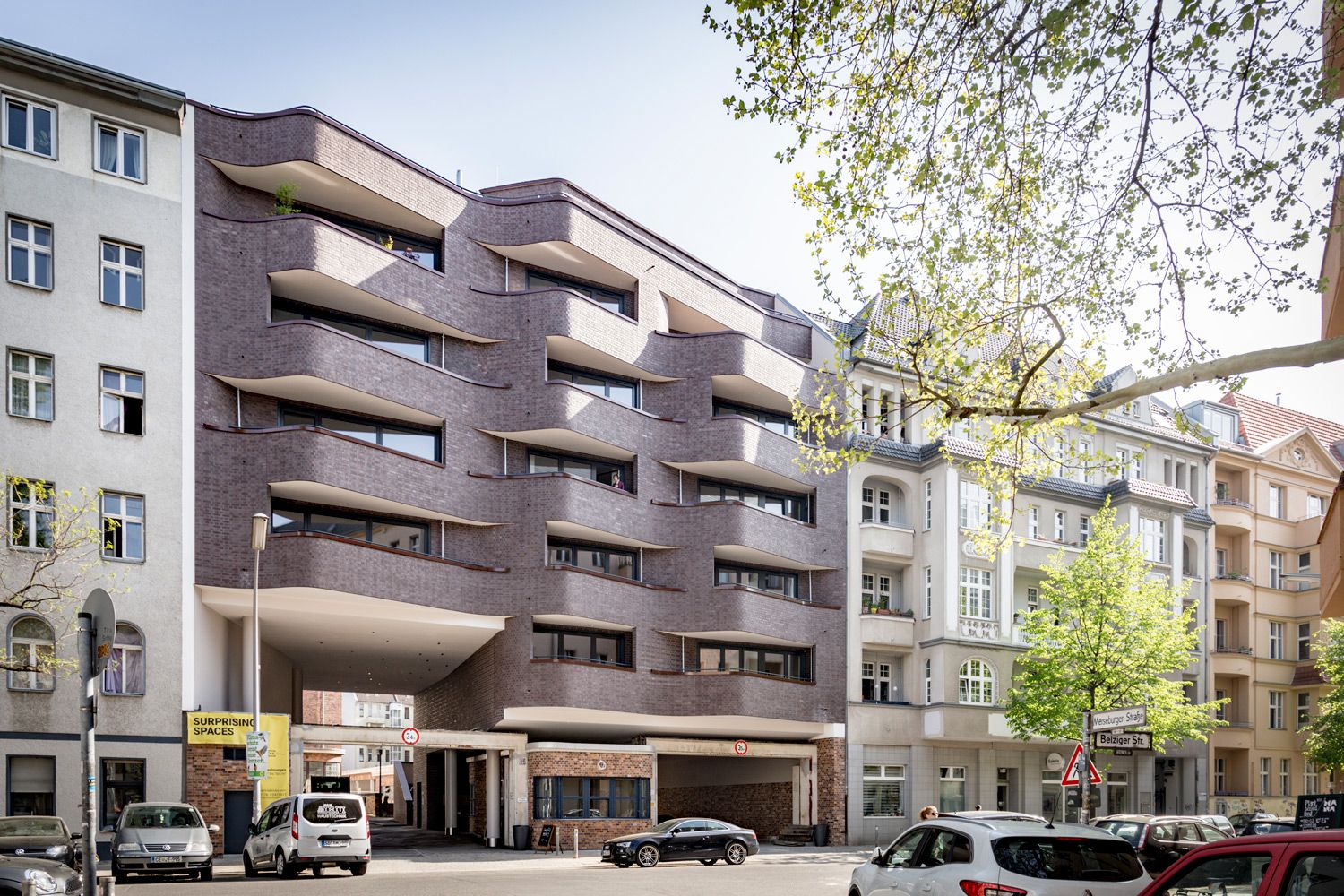
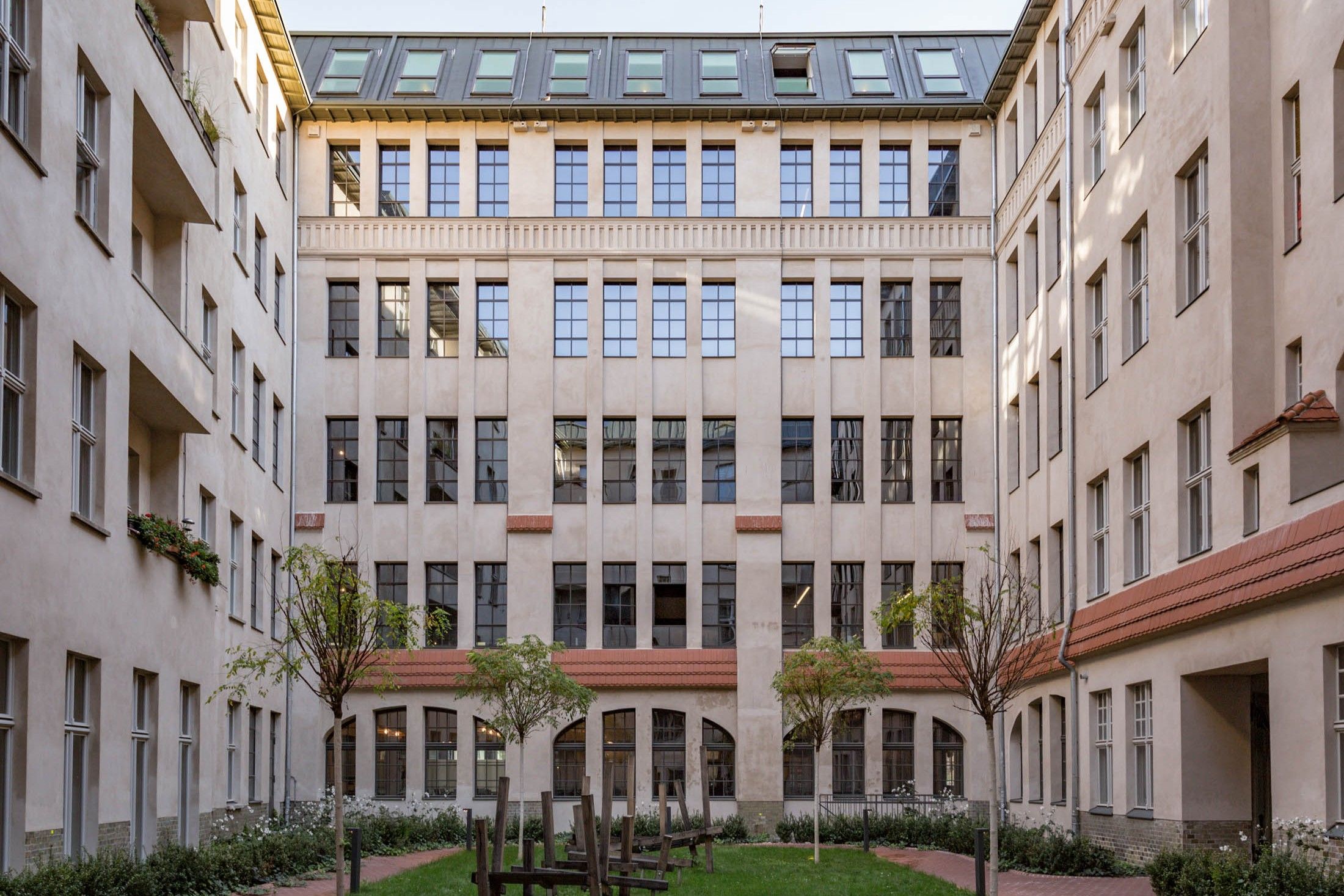
However, these ideas must not result in further overregulation of the construction process. The political and bureaucratic mechanisms that currently block construction in many places create a situation in which the least controversial concept is awarded the contract instead of the best one. We need to be bold and allow ideas to compete again.
We need to dare to experiment. Trust in the players is essential for movement and innovation.
Opportunities offered by digitalization
We must be equally open-minded when it comes to digitalization processes. AI will not replace planners, but it will help simplify processes, increase design diversity, and reduce costs. This is already evident today in the field of serial construction, where AI-supported processes are increasing the quality of buildings by customizing previously uniform serial products.
This is a great opportunity. Serial prefabrication leads to more cost-effective production and shorter construction times. In inner-city areas, this translates into fewer construction sites, less space requirements, and shorter financing cycles. However, this predictability must also have different authors: a multitude of companies, materials, and manufacturing processes that stimulate the field of serial construction with choice and competition.
Mobility is part of the equation
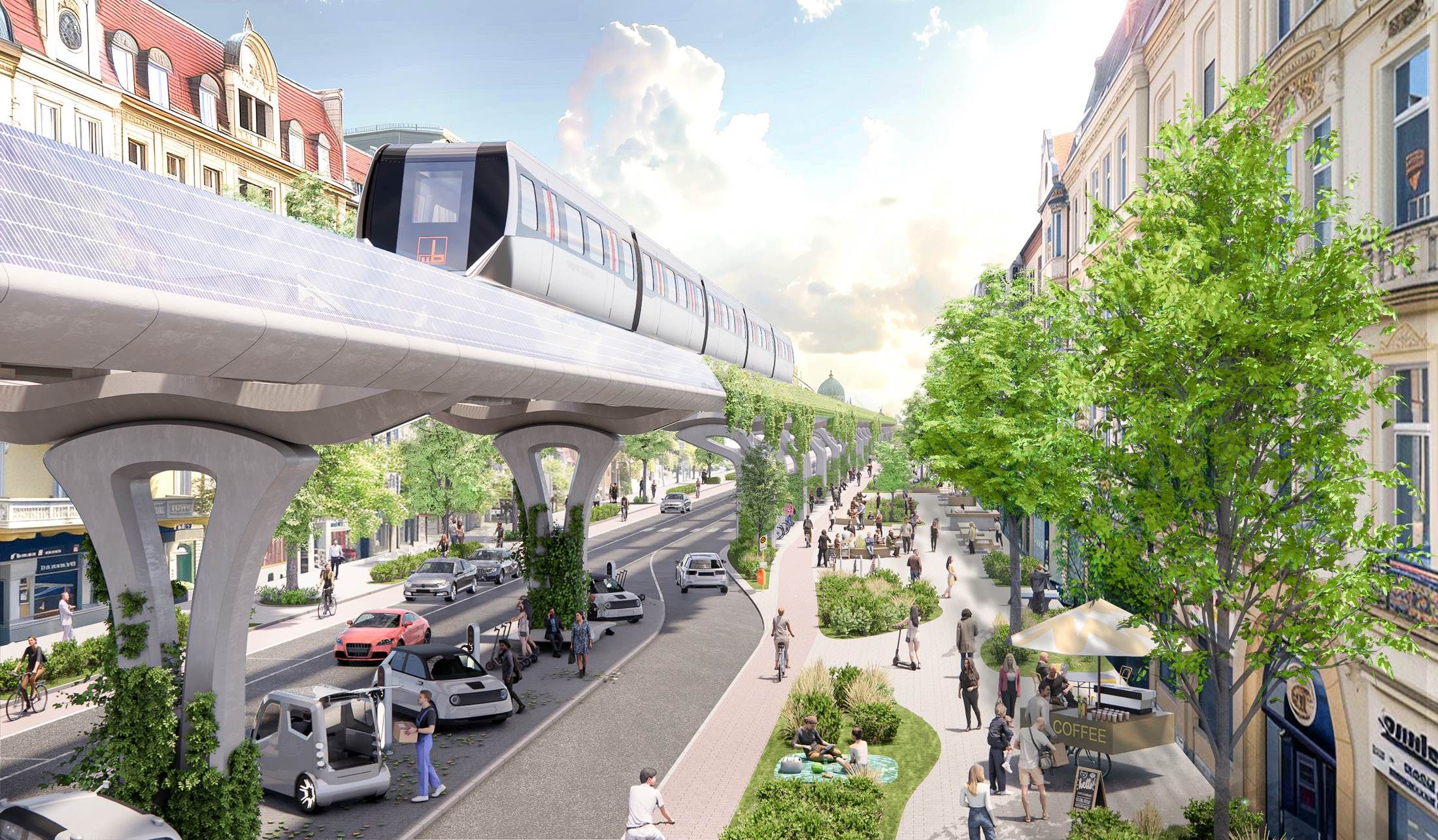
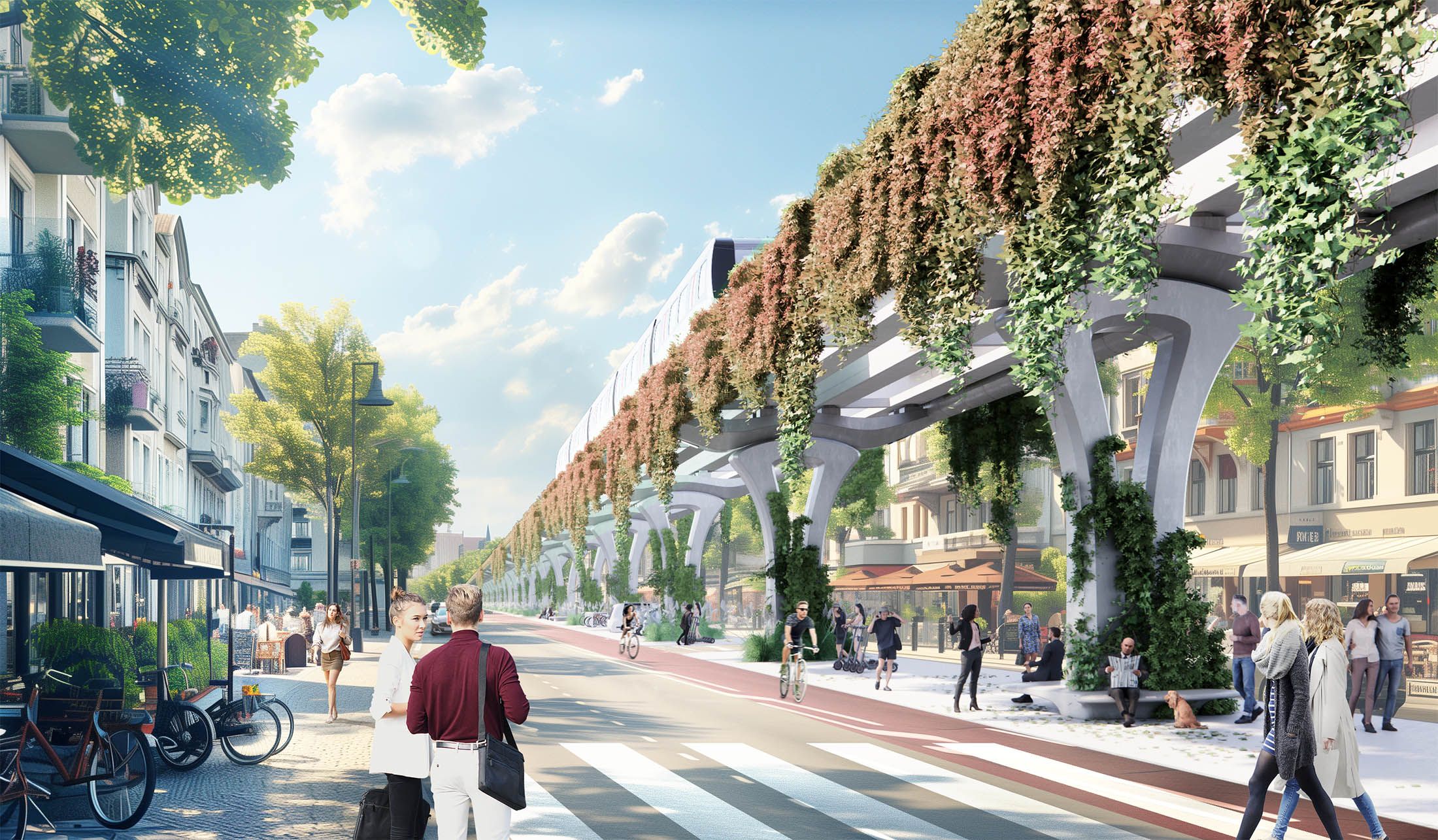
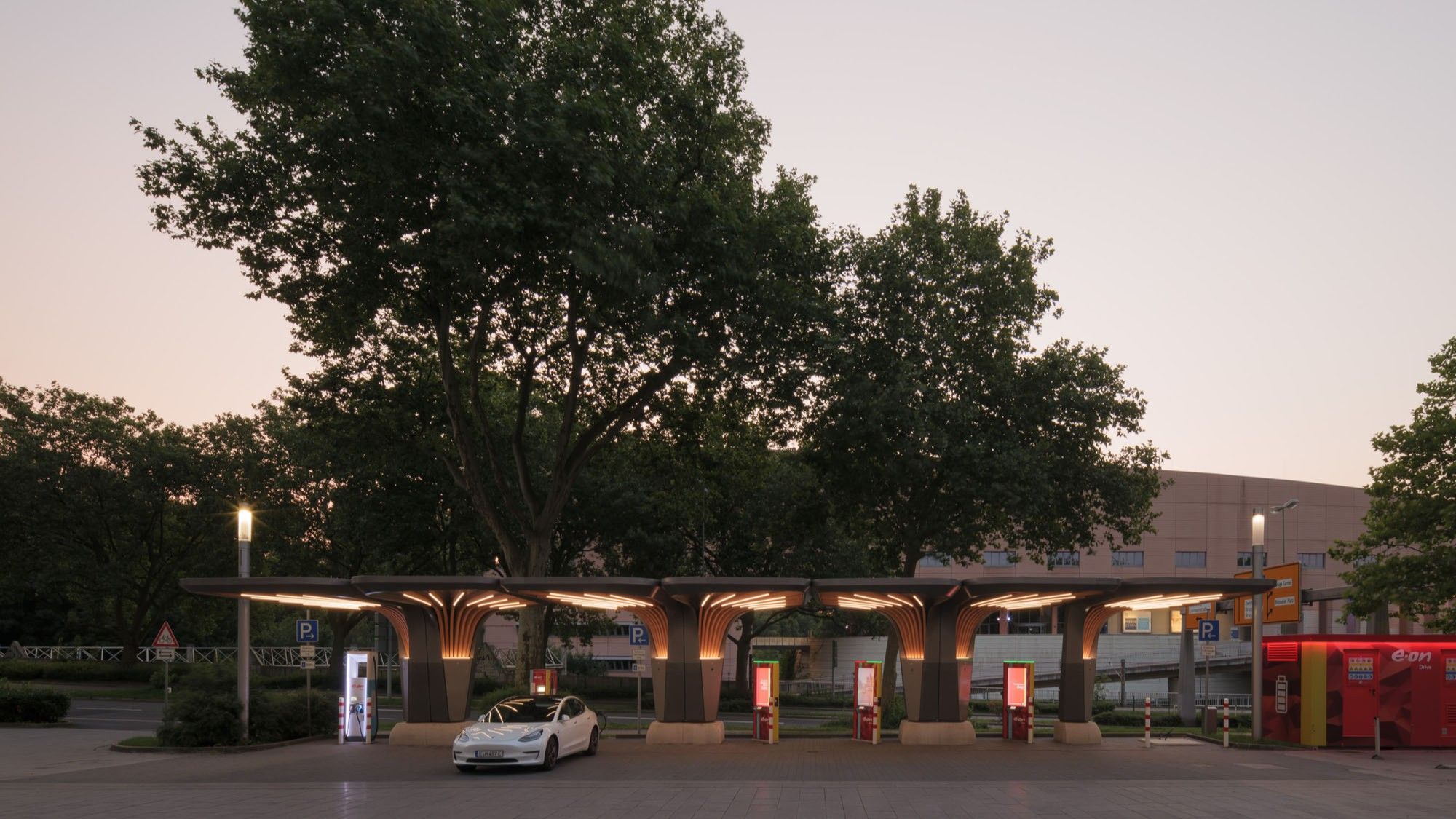
Mobility and housing are inextricably linked. The way we move around the city has a decisive influence on how and where we can live. Picture a world where the streets are dominated by emission-free and quiet forms of mobility instead of the combustion engines that are so common today. The entire urban structure would undergo a transformation. Street spaces could be reimagined, areas could be repurposed, and the way we perceive them could change. Ultimately, the main road with through traffic would no longer be a problem. If noise levels dropped, fewer soundproofing measures would be necessary, thereby reducing construction costs. This would create a different environment for public use on the ground floor, making it a city I would enjoy walking in.
If mobility also includes the vertical or underground dimension, new spaces would be created for urban quality of life. The magnetic levitation train, with tracks that are equipped with photovoltaics and greenery, is an example of this technology in practice. Many other similar innovations are possible if we transition from an either/or approach to an integrative, forward-thinking mindset.
Contrasts are not the problem of the city; they are its quality!
There are many ways to make cities places we enjoy living in. Instead of lamenting that things are constantly changing, we should celebrate that cities are heterogeneous places where different dreams and desires meet.
A city encompasses the experiments of the 1970s, as well as the traditional neighborhoods; the high-rises in the city center, as well as the bungalows in affluent suburbs. To ensure a livable future, we must embrace the ambivalence of cities as their essence, not a problem.
A city is always a compromise. It is both loud and quiet, dense and open, planned and grown. If we accept this and see the differences as a driving force, not just something to tolerate, then living will once again be associated with freedom for all people.