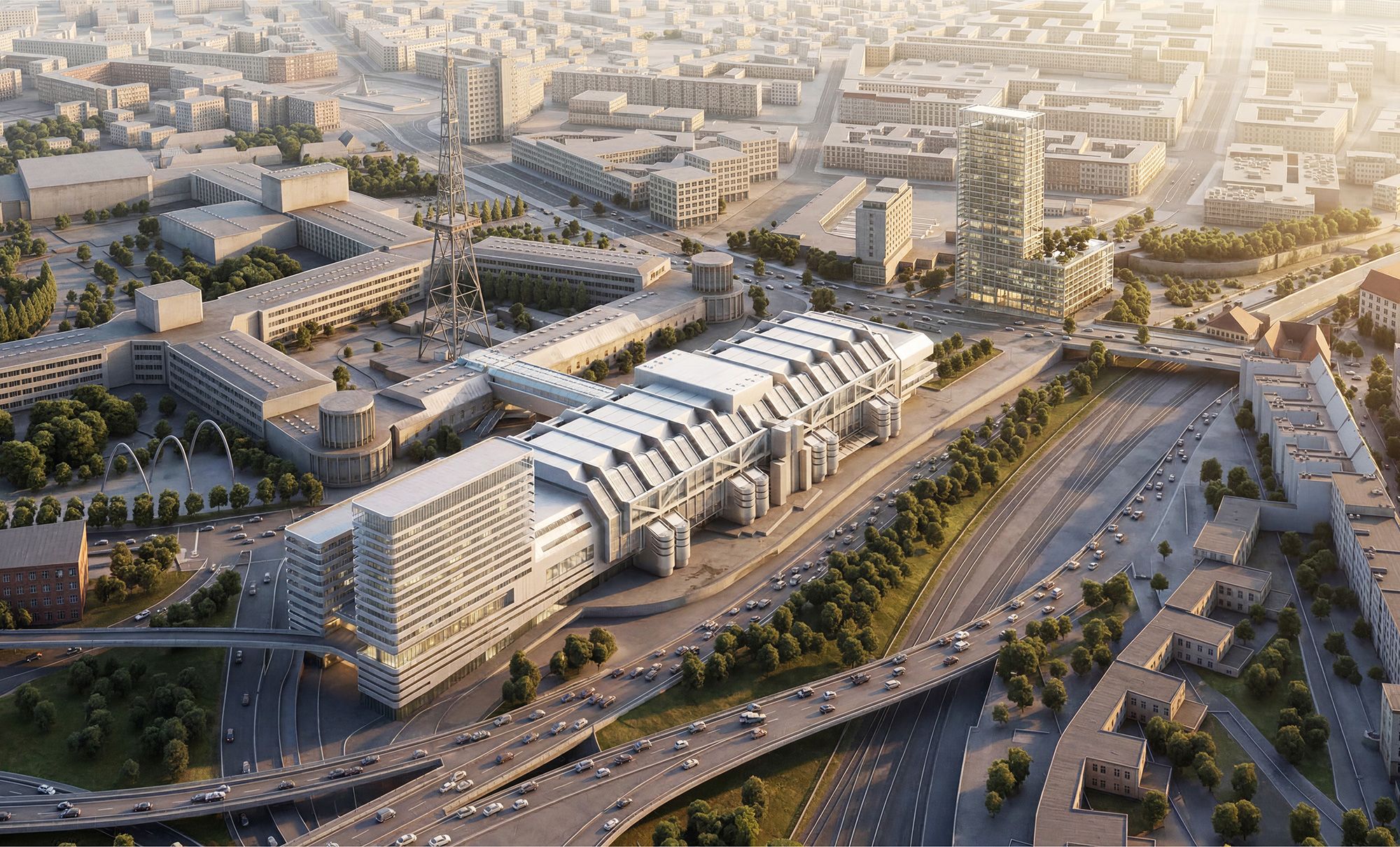
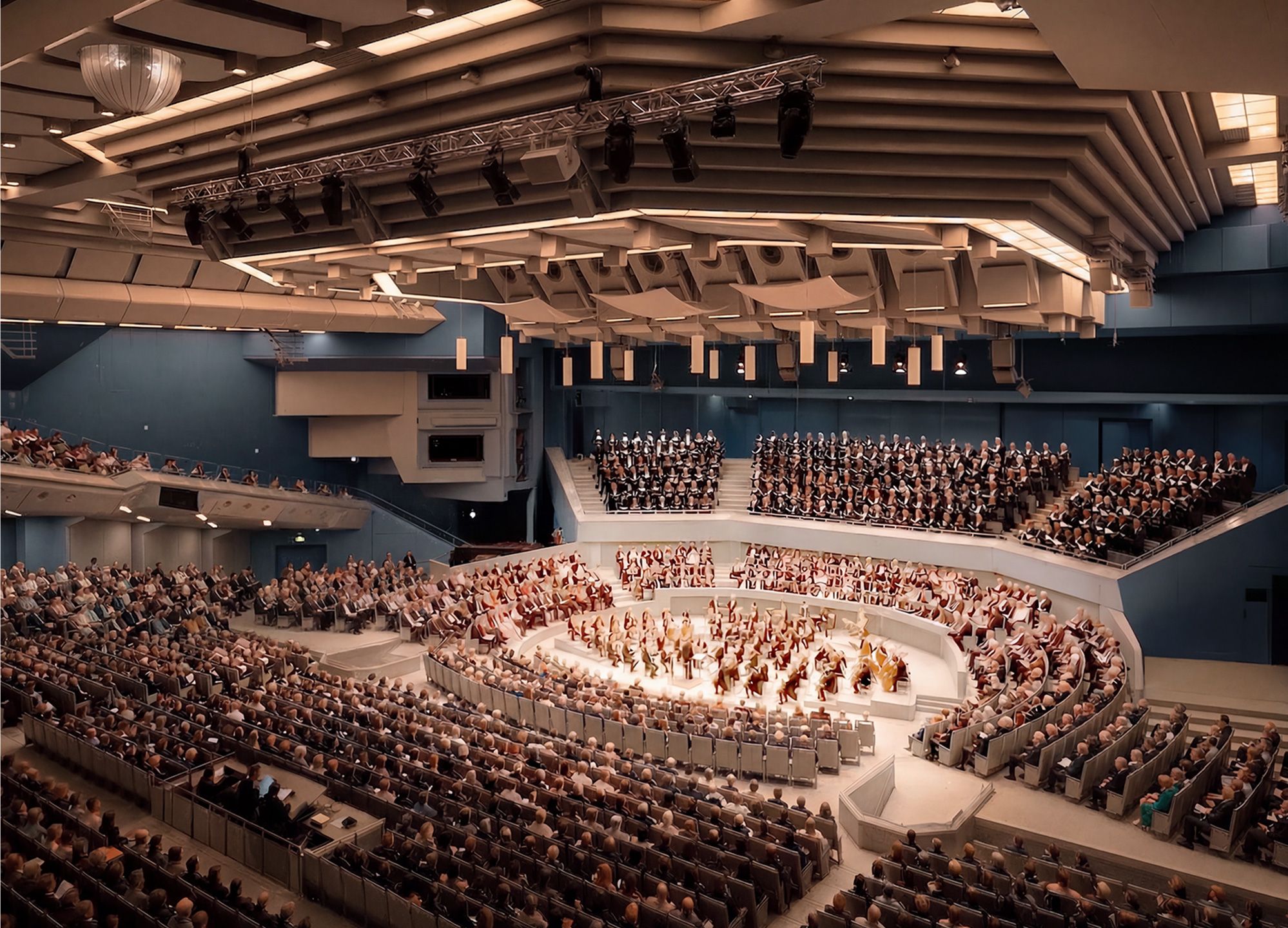
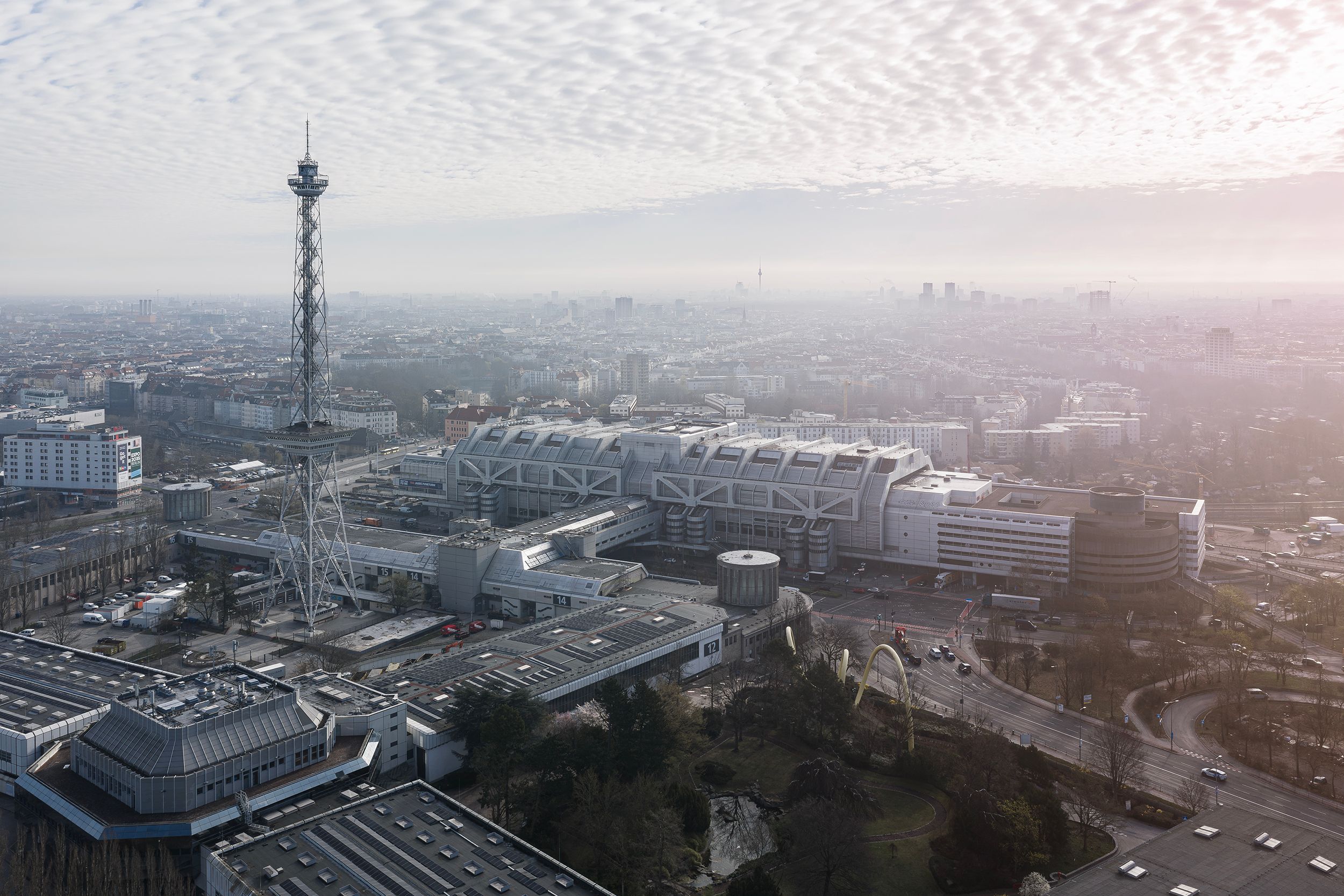
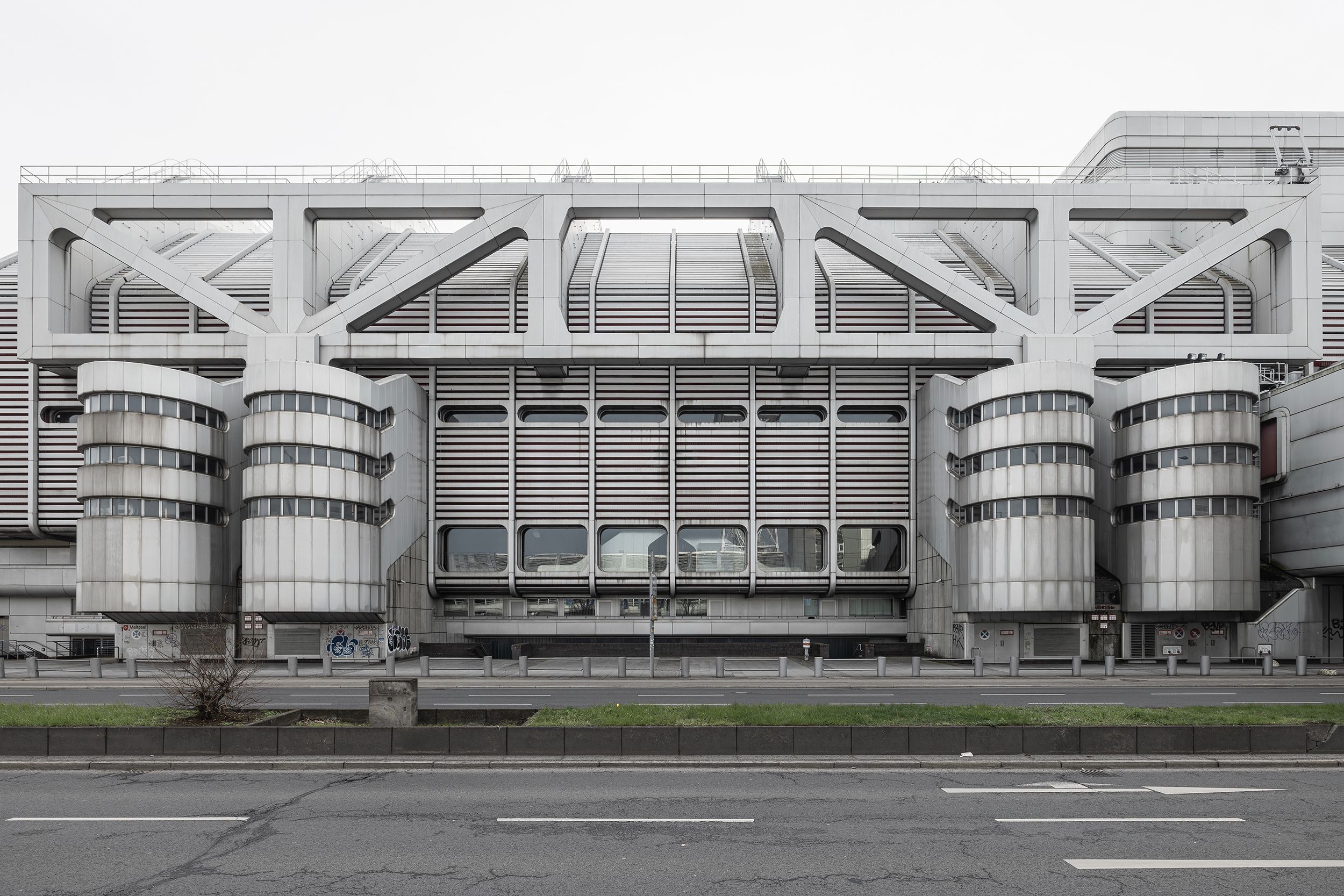
The International Congress Center Berlin (ICC Berlin) is one of the city’s great architectural icons. The heritage-protected building has been out of operation since 2014. In 2023, the Berlin House of Representatives approved its revitalization and commissioned the Senatswirtschaftsverwaltung (Senate Department of Economics), specifically the Berliner Immobilienmanagement GmbH (BIM), to conduct a concept development process.
GRAFT participated in the competition as part of a project partnership comprising leading companies and proven experts in the fields of project development, urban planning, architecture, historic preservation, arts and culture management, engineering, and construction, and developed a concrete development concept as well as architectural and urban design proposals during a two-year dialogue phase.
The final concept, submitted in March 2026, was positively evaluated by the jury – the decision-making body responsible for the State of Berlin’s concept competition decided to follow the jury’s recommendation. With the Berlin Senate’s official award recommendation on June 23, 2026, and the subsequent negotiations for an exclusivity agreement, the revitalization is now a decisive step closer to becoming a reality.
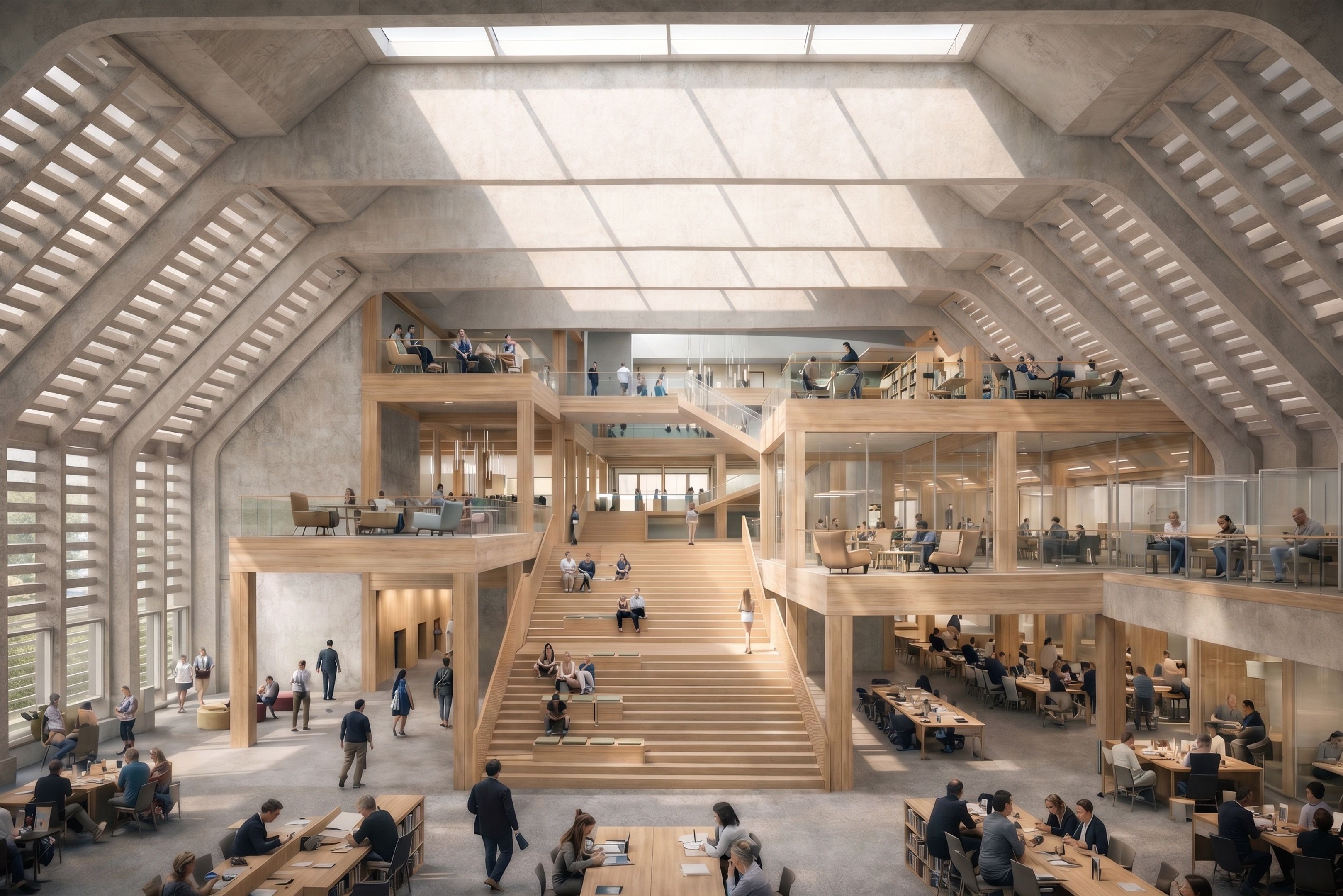
The goal of the project partnership is a careful yet forward-looking revitalization of the ICC. The building’s unique history, architectural power, and spatial qualities are to be respected, preserved, and revitalized through new uses. Guided by the principle of “function follows form,” the ICC will be reimagined based on its existing strengths.
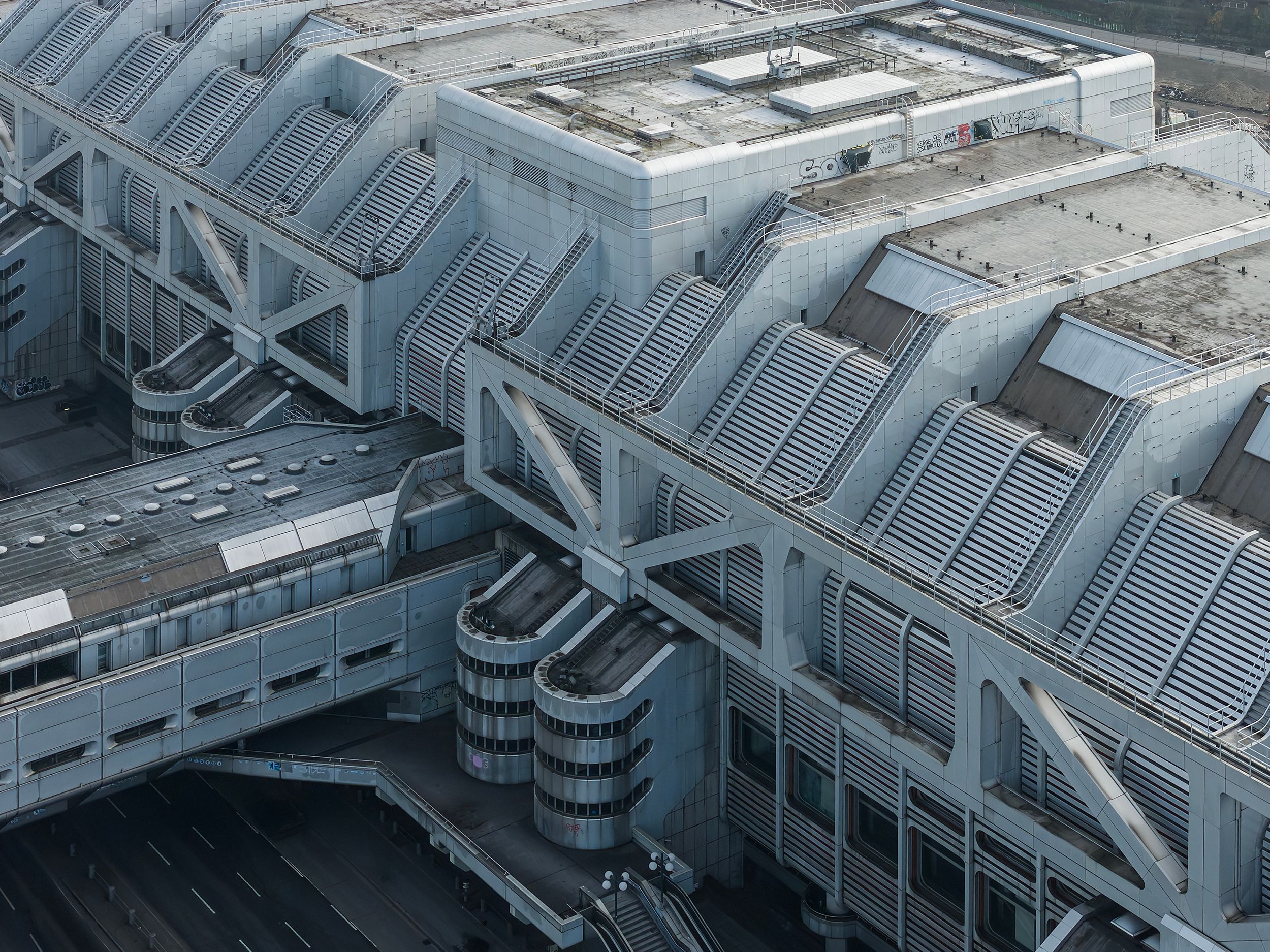
The plan calls for a diverse mix of uses encompassing art, culture, concerts, exhibitions, dining, events, the creative industries, and new work environments. Large halls, foyers, and extraordinary spatial volumes will once again serve as a stage for international events, Berlin’s cultural actors, and public programs. In close partnership with the State of Berlin, solutions will also be developed for temporary alternative venues, cultural anchor uses, and long-term, sustainable usage models.
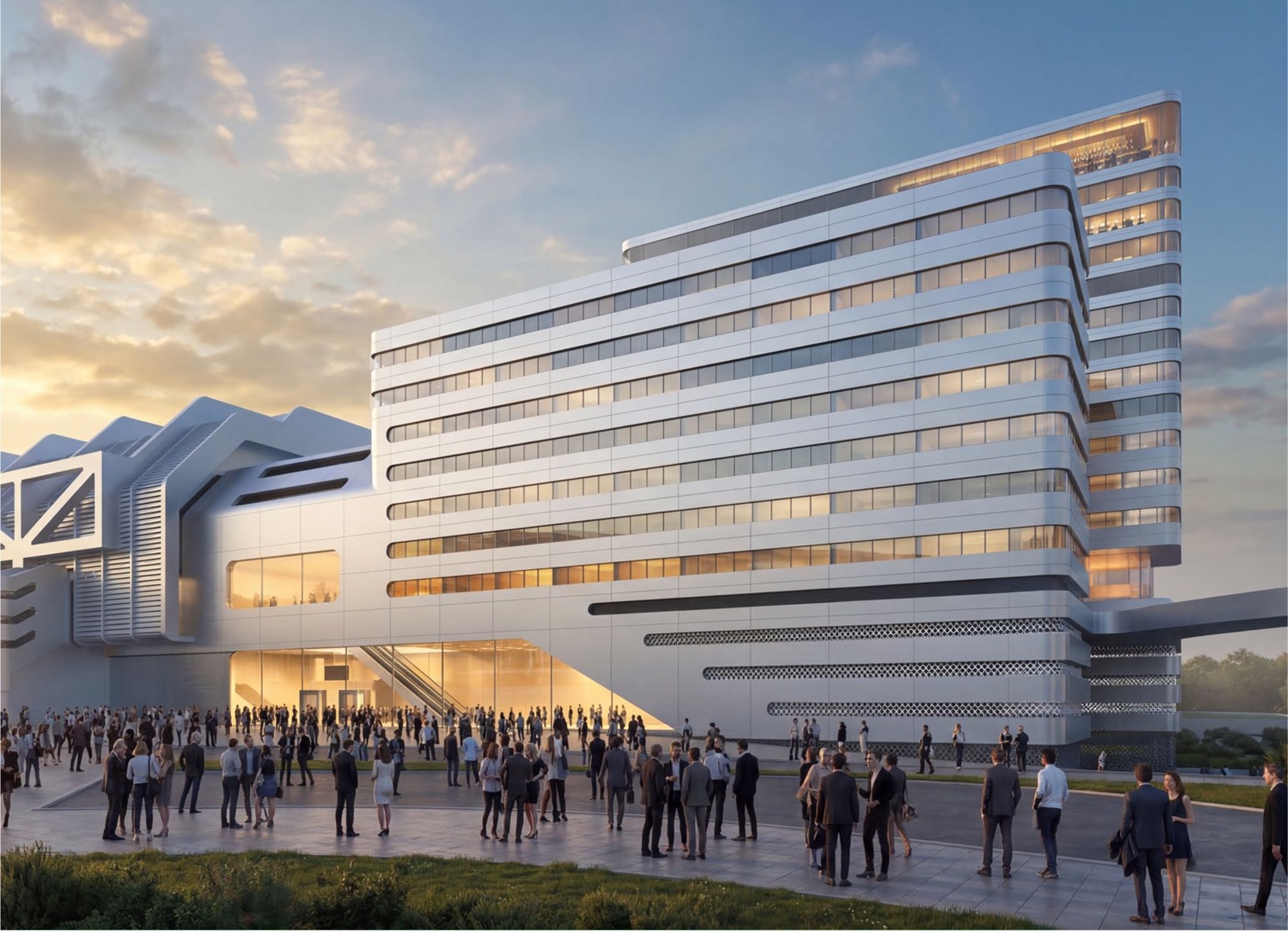
The ICC will thus not only be a place to experience on event days but is intended to gradually evolve into a neighborhood that is bustling throughout the day. Additional new buildings at Messedamm 9 and 11, new entrances, improved pathways, attractive forecourts, and dining options will create a new destination and connect the building more closely with its surroundings. The result will be a place that generates new cultural and economic momentum and has the potential to once again become an internationally visible hub of the city’s future.
The coming years will be devoted to further clarifying building regulations, financing, historic preservation, and the building’s use and operation. The goal is to lay the groundwork for the ICC’s long-term sustainable development and to gradually reintegrate the building into Berlin’s public life.
Alexander Moritz, Sascha Krückeberg, Arne Wegner, Zsolt Gondos, Marta Wegner, Sebastian Gernhardt, Daniel Finck